
Many people feel nervous when they are scheduled for a digestive procedure, but what often surprises patients most is not the examination itself — it is the preparation beforehand. Doctors usually explain the medical instructions clearly, yet there are several small realities about preparation that patients only discover during the experience. Understanding what to expect before a colonoscopy procedure may help reduce stress and make the process feel more manageable.
Although preparation can feel inconvenient, it plays an essential role in helping doctors obtain accurate results during the examination. Knowing the lesser-known aspects of the process may also help patients feel more confident before their appointment.
Why Preparation Is So Important
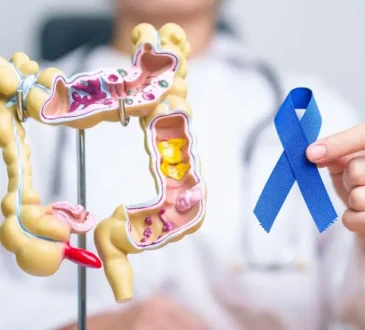
A colonoscopy exam allows doctors to examine the inside of the large intestine using a flexible tube fitted with a camera. The procedure helps detect polyps, inflammation, bleeding, or early signs of colorectal cancer.
For doctors to clearly examine the colon, the intestines must be properly cleaned beforehand. Even small amounts of remaining stool can block visibility and affect the accuracy of the procedure.
This is why bowel preparation instructions are taken seriously. Patients are often asked to follow a temporary low-fiber diet and drink a special cleansing solution before the appointment.
Although the preparation process may seem excessive, it greatly improves the quality and effectiveness of the examination.
The Preparation Drink Is Often the Hardest Part
Many patients assume the actual procedure will be the most difficult part, but the preparation drink is often what people complain about most afterward.
The cleansing solution is designed to empty the intestines completely, and patients are usually required to drink large amounts within a specific time frame. Some people find the taste unpleasant, while others struggle with the volume of liquid required.
Chilling the drink beforehand or using a straw may help make it easier to tolerate. Some patients also find it helpful to take short breaks between servings instead of drinking everything too quickly.
Even though the process can feel uncomfortable, completing the preparation properly is essential for a successful colonoscopy.
Frequent Bathroom Trips Can Be Exhausting
One thing patients are rarely prepared for is how often they may need to use the bathroom once the cleansing solution begins working.
Bowel movements may become frequent very quickly, and patients often spend several hours near the bathroom during the preparation period. Because of this, many people prefer staying home and avoiding unnecessary errands before the procedure.
Some individuals may also experience temporary bloating, mild cramping, or irritation during the cleansing process. Wearing comfortable clothing and staying hydrated may help reduce discomfort.
Planning ahead by keeping entertainment, reading materials, or chargers nearby can make the waiting period feel less stressful.
Hunger and Food Cravings Feel More Intense
Preparation usually involves temporary dietary restrictions, and many patients are surprised by how hungry they feel during the process.
Patients are commonly instructed to avoid solid food for a period before the examination and may only consume clear liquids such as broth, water, or certain juices. Seeing other people eat regular meals during this time can make cravings feel even stronger.
Some individuals also experience headaches or irritability from fasting, especially if they are used to frequent meals or caffeine throughout the day.
Although the restrictions may feel frustrating, following preparation instructions carefully helps improve the accuracy of the colonoscopy and reduces the chance of needing repeat procedures.
Anxiety Is Completely Normal
Even people who understand the medical importance of the procedure may still feel anxious beforehand. Fear of embarrassment, discomfort, or possible findings often causes emotional stress before the appointment.
Many patients worry unnecessarily about pain during the procedure itself. In reality, sedation is commonly used, and most individuals remember very little afterward.
Doctors and nurses perform colonoscopy procedures regularly and are trained to help patients feel comfortable throughout the process. Asking questions beforehand may help reduce uncertainty and ease anxiety.
Bringing a trusted family member or friend for support may also help some patients feel more relaxed before the appointment.
Recovery May Be Easier Than Expected
Patients are often relieved to discover that recovery is usually simpler than they anticipated. Mild bloating or gas may occur temporarily because air is introduced into the colon during the examination.
Most people can return home the same day after recovery from sedation. However, rest is generally recommended for the remainder of the day because drowsiness may continue for several hours afterward.
Doctors may also discuss preliminary findings shortly after the procedure, although biopsy results may take longer if tissue samples are collected.
For many individuals, the relief of completing the examination outweighs the stress they felt beforehand.
Conclusion
Preparing for a digestive examination involves more than simply drinking a cleansing solution. Hunger, frequent bathroom trips, anxiety, and temporary discomfort are some of the realities that many patients do not fully expect before a colonoscopy.
Although the preparation process may feel inconvenient, it plays an important role in ensuring accurate results and early detection of digestive conditions. Understanding what to expect beforehand may help patients approach the experience with greater confidence and less fear.